
Natural stones are beautiful because they are never perfectly identical. Each bead carries subtle variations created by nature over time: tiny inclusions, shifting tones, and mineral patterns that make the material feel alive.
But the jewelry market is filled with imitations. Some are harmless substitutes like glass, while others are dyed, coated, or synthetic stones sold as “natural.” The good news is you can learn to recognize the difference with a few simple checks.
This guide will help you identify real natural stones, understand common treatments, and make more confident choices when buying or repairing jewelry.
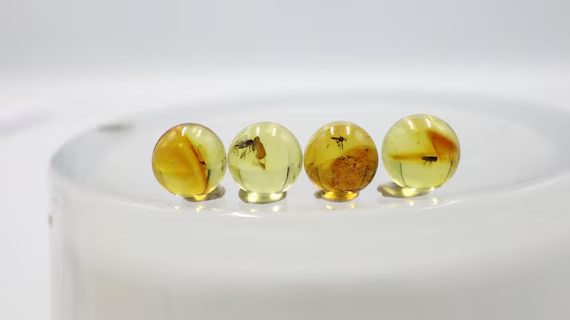
Why Authenticity Matters
Real stones vary in durability, value, and care requirements. For example, some stones are porous and need protection from water or perfume, while others are hard enough for daily wear.
Knowing what you’re buying helps you:
- Understand if the price is fair
- Care for the jewelry correctly
- Avoid fading finishes or damaged surfaces
- Make better custom design choices (especially for meaningful stones)
10 Practical Ways to Spot Real Natural Stones
1) Look for natural imperfections
Most natural stones show small “signs of life” inside:
- tiny clouds or specks
- mineral lines
- slight color changes
- internal fractures that look organic
If a stone looks perfectly uniform, identical bead-to-bead, and flawless, be cautious. Nature rarely makes duplicates.
2) Check the drill holes (very revealing)
Dyed or coated stones often show stronger color around holes. Sometimes you’ll see:
- darker pigment pooling near the drilled area
- uneven color that looks “painted”
- a thin surface layer that doesn’t match the inside
Tip: Use your phone flashlight or a small lamp and look closely.
3) Feel the temperature
Natural stones usually feel cool to the touch and stay cool longer than plastic or resin.
Plastic warms up quickly in your hand.
This test is not perfect (glass can also feel cool), but it’s a helpful clue.
4) Compare weight
Natural stone beads are usually heavier than plastic beads of the same size.
If it feels too light for its size, it may be resin or acrylic.
5) Watch for repeating printed patterns
Some imitation stones use printed or “image transfer” patterns to mimic natural veining.
Natural stone patterns are irregular. If you notice a repeating pattern across multiple beads, it’s likely not natural.
6) Look for coating wear
Many beads are “enhanced” with coatings for shine or color. Over time, coatings can wear off, especially on edges.
Signs:
- faded spots
- chipped color
- uneven shine
- “rubbed” surface areas
7) Know which stones are commonly treated
Some stones are frequently stabilized, dyed, or heat-treated. This doesn’t always make them bad, but they should be sold honestly.
Common examples:
- turquoise (often stabilized)
- howlite and magnesite (often dyed to imitate turquoise)
- agate (often dyed bright colors)
- quartz (sometimes treated for color)
A reputable seller should tell you if treatments exist.
8) Be cautious with extremely bright colors
Neon pink, electric blue, and very intense uniform shades are often a sign of dye.
Natural stones can be vivid, but they usually have variation, depth, and unevenness.
9) Test with gentle rubbing (only if safe)
If you suspect dye, lightly rub the bead with a soft cloth (white) slightly dampened with water.
If you see color transfer, it’s dyed or coated.
Do not do this on fragile pieces or valuable jewelry. Ask an artisan instead.
10) Ask the maker
The most reliable method is transparency.
A professional jewelry artist should be able to tell you:
- what the stone is
- if it’s treated
- what care it needs
- whether it’s suitable for daily wear
If answers are vague or defensive, that’s a red flag.
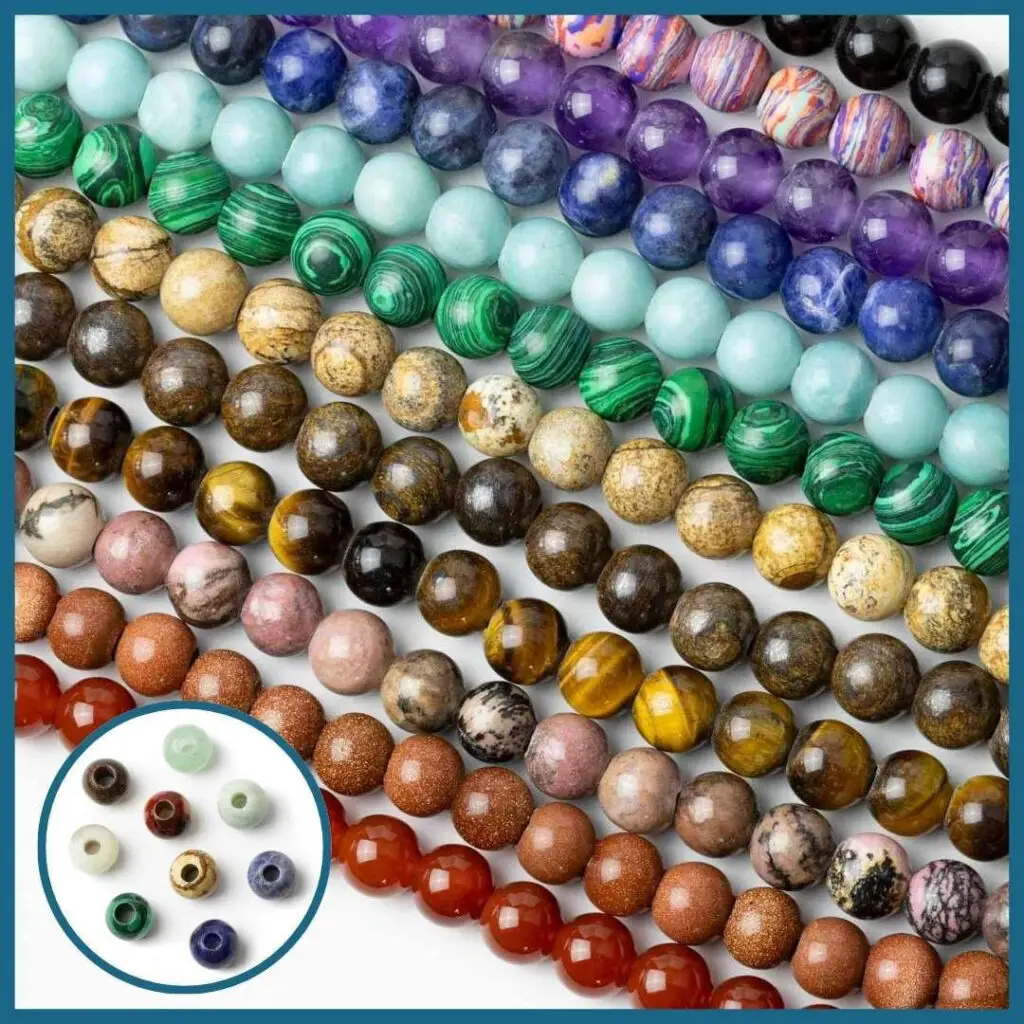
Real vs Fake (Quick Checklist)
Stone Care Depends on Authenticity
Natural stones may require:
- no perfumes or lotions directly on jewelry
- storage away from sunlight for dyed stones
- separate storage to prevent scratching
- gentle cleaning only (soft cloth)
If you’re unsure what your jewelry is made from, treat it gently and ask for advice before using cleaning products.
Need Help Identifying Your Stones?
If you have jewelry you’re unsure about, I can help you evaluate it based on photos, material details, and construction.
FAQ
Want a piece with real natural stones?
If you love gemstone jewelry, I can create a custom design using carefully selected materials and professional craftsmanship.
Leave a Reply