
Glass bead jewelry can range from delicate handcrafted art to low-cost mass-produced accessories. While glass itself can be beautiful and durable, the quality of beadwork depends on far more than appearance.
Before purchasing glass bead jewelry, it’s important to understand bead origin, construction technique, durability factors, and craftsmanship standards. This guide will help you make informed decisions and choose pieces that will last.
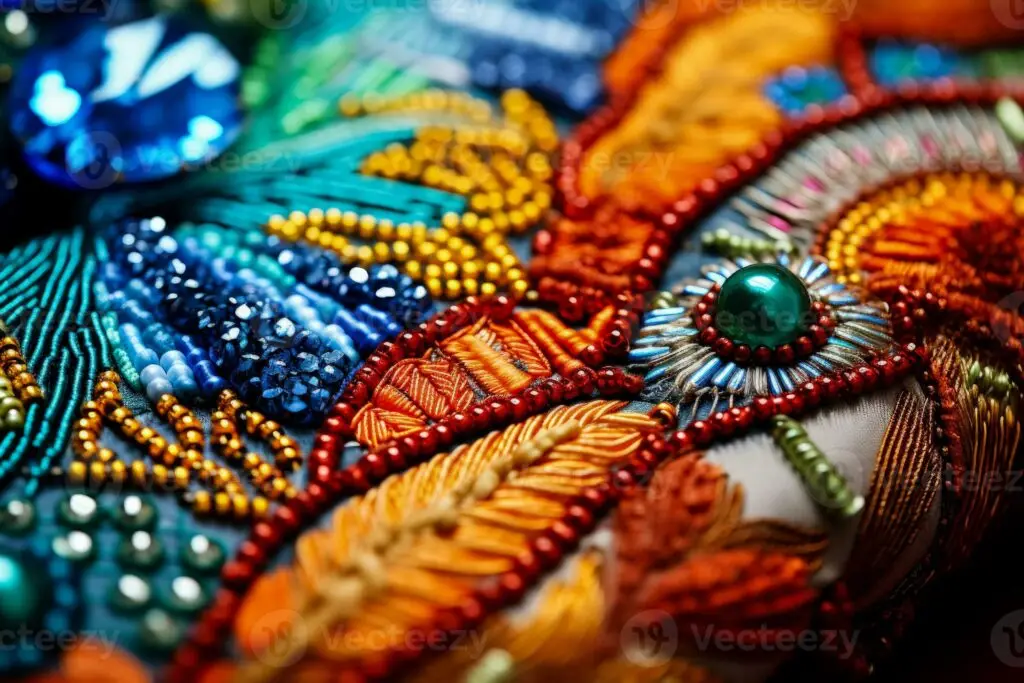
Not All Glass Beads Are Equal
Glass beads vary in quality depending on:
- Manufacturing precision
- Origin
- Coating type
- Shape consistency
- Color durability
High-quality beads are uniform in size and shape, which allows tighter stitching and stronger structural integrity.
Low-quality beads may vary significantly, causing uneven tension and weaker construction.
Understanding Seed Bead Origins
Glass seed beads are among the most common materials in bead embroidery.
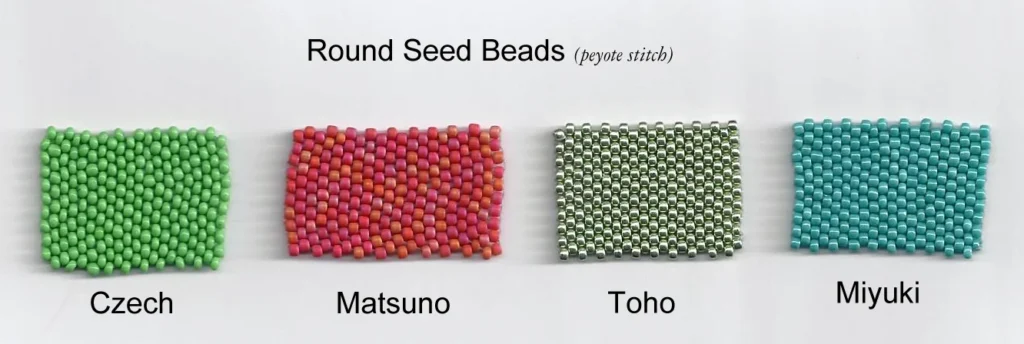
Japanese Seed Beads (Miyuki, Toho)
- Extremely uniform
- Sharp hole precision
- Ideal for detailed patterns
- Excellent durability
Best for intricate bead embroidery and structured designs.
Czech Seed Beads
- Traditional craftsmanship
- Slightly less uniform than Japanese
- Very durable
- Rich color range
Excellent for decorative beadwork and textured designs.
Lower-Cost Mass-Produced Beads
- Inconsistent sizing
- Uneven hole drilling
- Weaker finishes
- More likely to chip or fade
These are often used in factory-produced jewelry.
Check the Construction — Not Just the Beads
Even premium beads can fail if poorly constructed.
Look for:
✔ Tight, even stitching
✔ No visible loose threads
✔ Reinforced clasps
✔ Secure bead tension
✔ Balanced weight distribution
If the piece bends unevenly or feels fragile, construction may be weak.
Surface Coatings and Color Durability
Some glass beads are coated to create metallic, iridescent, or matte finishes.
Important questions:
- Is the finish permanent or surface-coated?
- Will color fade with friction?
- Is it suitable for daily wear?
Surface-coated beads may lose color over time, especially in bracelets exposed to friction.
Handmade vs Mass-Produced Glass Bead Jewelry
Handmade beadwork:
- Takes hours or days to complete
- Uses structured stitching techniques
- Has reinforced thread paths
- Focuses on durability
Mass-produced jewelry:
- Often glued instead of stitched
- Uses thinner thread
- Prioritizes speed over strength
Careful inspection reveals the difference.
Ask the Right Questions Before Buying
When purchasing glass bead jewelry, ask:
- What type of beads were used?
- Is the stitching reinforced?
- Are finishes permanent?
- How should the piece be cleaned?
- Is it suitable for daily wear?
A professional artisan should confidently answer these questions.
How to Care for Glass Bead Jewelry
- Avoid perfumes and lotions directly on beads
- Store flat or in soft pouches
- Do not soak in water
- Clean gently with a dry soft cloth
- Avoid pulling or twisting structured beadwork
Proper care extends longevity significantly.
QUICK BUYER CHECKLIST
Before purchasing, confirm:
When Glass Bead Jewelry Is a Smart Choice
Glass bead jewelry is ideal when:
- You appreciate detail work
- You want lightweight designs
- You prefer intricate patterns
- You value craftsmanship
High-quality bead embroidery can last many years when properly made and maintained.
Looking for Quality Handmade Beadwork?
If you value precision stitching, durable materials, and intentional design, explore custom beadwork crafted with professional techniques.
Leave a Reply