
A Complete Guide for Sensitive Skin
If you’ve ever experienced itching, redness, or irritation after wearing jewelry, you are not alone. Jewelry allergies are common and often misunderstood.
The good news is that most reactions are preventable once you understand what causes them and which materials are safer alternatives.
This guide explains:
- Why jewelry allergies occur
- Which metals cause the most reactions
- How to choose safer jewelry
- Why glass bead jewelry without metal can be a smart solution
What Is a Jewelry Allergy?
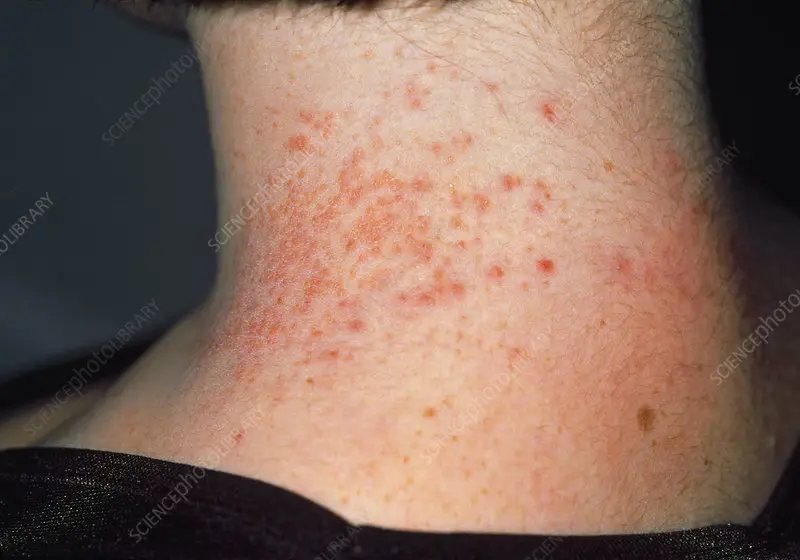
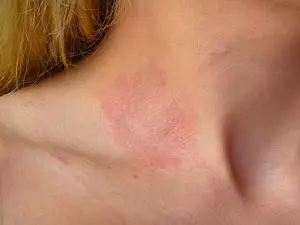
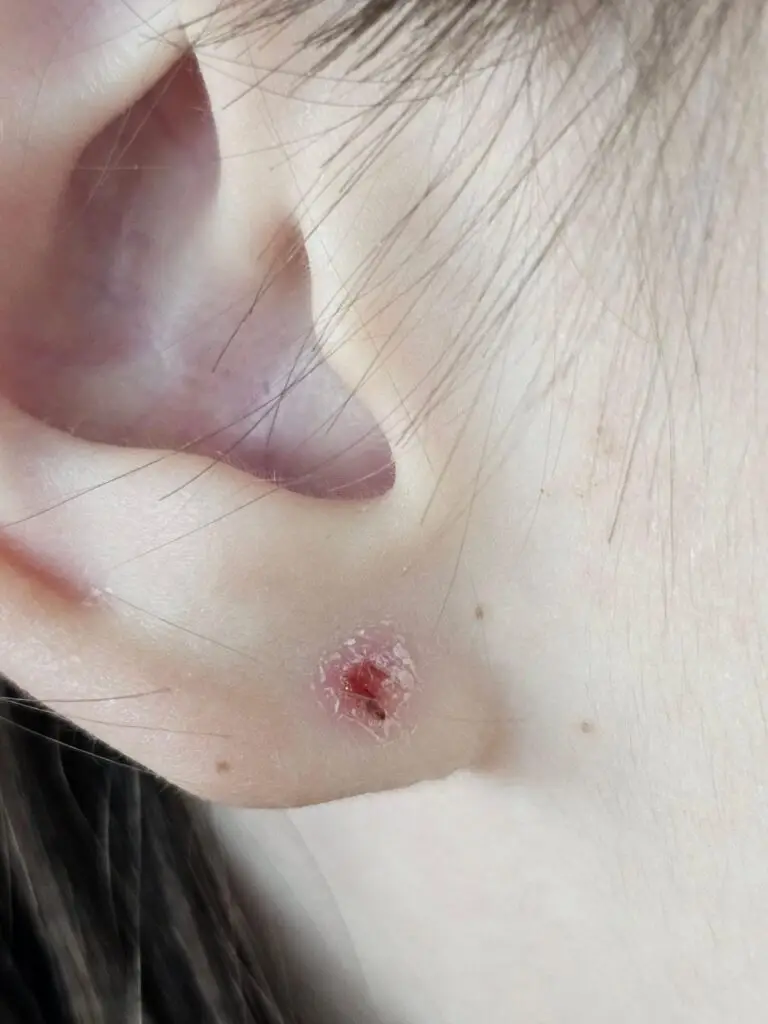
A jewelry allergy is usually a contact dermatitis reaction. It occurs when skin reacts to certain metals or materials touching it for extended periods.
Symptoms may include:
- Redness
- Itching
- Rash
- Blistering
- Dry or darkened skin patches
The reaction usually appears where metal touches the skin — such as under a clasp, earring hook, or bracelet chain.
The Most Common Cause — Nickel
Nickel is the leading cause of metal allergies worldwide.
It is often found in:
- Cheap plated jewelry
- Costume jewelry
- Some stainless steel alloys
- Earring posts
- Clasps and chains
Even small amounts of nickel can trigger reactions in sensitive individuals.
Other Metals That Can Cause Reactions
Although nickel is most common, some people may also react to:
- Cobalt
- Chromium
- Brass alloys
- Low-quality plated metals
Even gold-plated jewelry can cause reactions if the underlying base metal contains nickel.
How to Avoid Jewelry Allergies
🔹 1. Choose Hypoallergenic Metals
Safer options include:
- Surgical stainless steel (nickel-free grades)
- Titanium
- Solid sterling silver (high quality)
- Solid gold (14k+)
However, even these can cause reactions in highly sensitive individuals.
🔹 2. Avoid Cheap Plated Jewelry
Plated jewelry wears down over time. Once the coating fades, the underlying metal may irritate skin.
Signs of plating wear:
- Fading color
- Dark patches
- Discoloration at clasp areas
🔹 3. Consider Glass Bead Jewelry Without Metal Contact
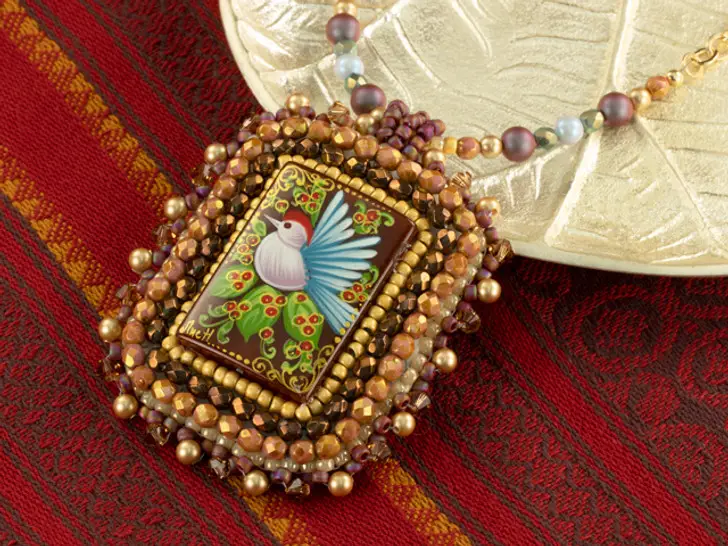
One of the safest options for sensitive skin is glass bead jewelry constructed without metal touching the skin.
This includes:
- Fully beaded necklaces with textile backing
- Glass bead embroidery with fabric underside
- Beaded closures instead of metal clasps
- Adjustable thread closures
Because glass itself is non-reactive, it rarely causes allergic reactions.
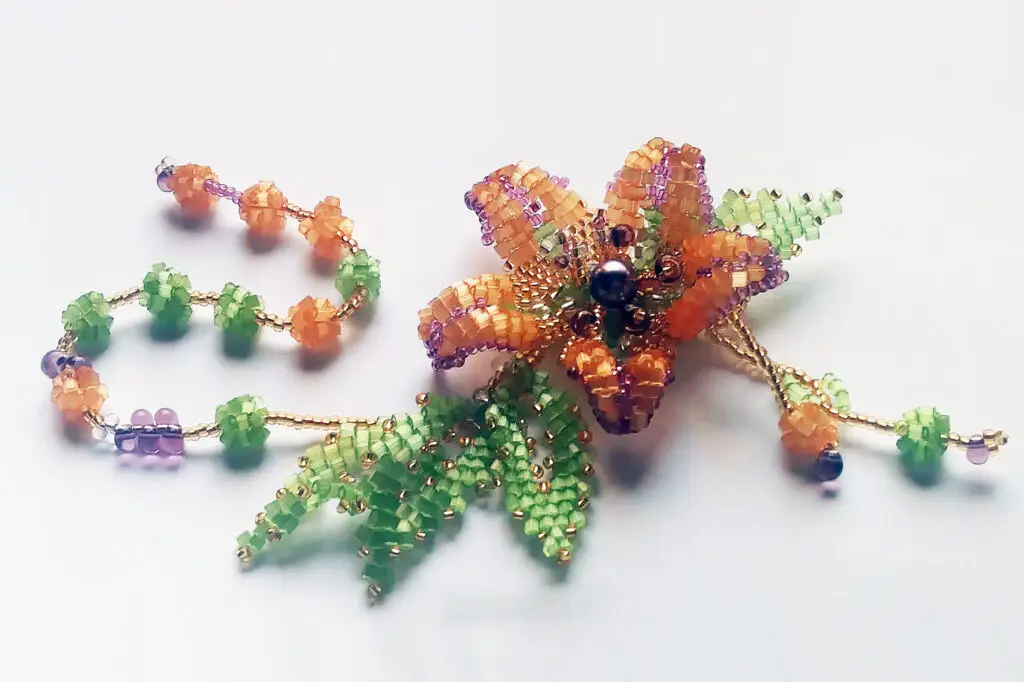
Textile & Embroidered Jewelry for Sensitive Skin
Jewelry backed with fabric or leather creates a protective barrier between skin and structural components.
Benefits:
- Reduced metal contact
- Lightweight feel
- Comfortable wear
- Lower allergy risk
For individuals with severe sensitivity, designs can be created that avoid metal entirely.
Tips for People with Metal Sensitivity
If you have experienced jewelry allergies:
- Remove jewelry at first sign of irritation
- Clean affected area gently
- Avoid wearing reactive metal again
- Ask sellers about material composition
- Choose designs with minimal or no metal contact
Earrings & Allergy Prevention
Earrings are common triggers.
Safer alternatives:
- Titanium posts
- Hypoallergenic hooks
- Plastic backs
- Beaded stud designs with non-reactive posts
For very sensitive individuals, custom non-metal earring options can be created.
How to Test for Metal Sensitivity
If unsure, you may:
- Test jewelry on small skin area
- Wear briefly and observe reaction
- Consult dermatologist if severe
Professional allergy testing can confirm nickel or metal sensitivity.
When Custom Jewelry Is the Best Solution
For individuals with confirmed metal allergies, custom-made jewelry offers:
- Control over materials
- Avoidance of reactive metals
- Alternative closures
- Fabric-backed beadwork
Handmade glass bead jewelry without exposed metal can be both elegant and safe
Looking for Allergy-Friendly Jewelry?
If you have sensitive skin or metal allergies, I can create custom glass bead jewelry designed without reactive metal components.
Leave a Reply